What is a product inspection
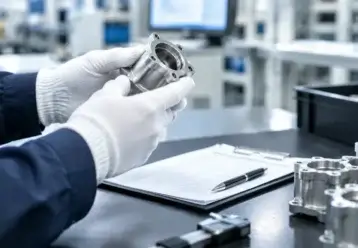
A product inspection checks whether manufactured goods match what the buyer ordered before the goods are accepted or shipped. Inspectors usually look at appearance, dimensions, function, quantity, packaging, and labels. For larger orders, they normally inspect a defined sample instead of every single unit.
Here is a simple example. A drawing says a part should measure 50.0 ± 0.2 mm. A reading of 50.1 mm is fine. A repeated reading of 50.5 mm is not. Or maybe each carton should contain 24 pieces, but several cartons only have 23. These are clear problems. There is no need to argue about whether the products “look okay.”
What is the purpose of product inspection?
It checks whether the factory actually made what you ordered.
An approved sample may look perfect. Mass production is another story. Once the factory starts making 5,000 or 50,000 units, materials can change, tooling can wear, assembly can drift, printing can move, and the wrong packaging can end up on the line.
Say you order 10,000 plastic housings with a 3.0 mm wall thickness. After 2,000 pieces are made, several inspected parts measure only 2.6–2.7 mm. That is early enough for the factory to stop and check the molding setup before making the other 8,000.
Find the same problem after all 10,000 pieces are packed, and fixing it gets much harder.
What does a product inspector check?
That depends on the product. A garment, power adapter, hotel chair, machined part, and plastic housing obviously need different checks.
| Inspection area | What may be checked | Example |
|---|---|---|
| Product identity | Model, SKU, color, material, revision and configuration | Model B supplied instead of Model A |
| Quantity | Finished quantity, carton count and pieces per carton | 100 cartons × 24 units = 2,400 units |
| Workmanship | Scratches, cracks, stains, gaps, loose parts and finish | 8 sampled units show the same coating defect |
| Dimensions | Length, diameter, thickness, hole position and tolerances | 50.0 ± 0.2 mm required |
| Function | Operation, assembly, switches, movement, sealing or fit | A zipper is opened and closed for 5 full cycles |
| Packaging | Carton condition, protection, packing method and accessories | 24 units required in each master carton |
| Labels | Barcode, model, warnings, country marking and artwork | Barcode scans to the correct SKU |
The clearer the requirement, the easier it is to inspect.
“Premium finish” is vague. One buyer may accept a light scratch. Another may reject it. “No visible scratches longer than 5 mm on the front-facing surface” is much easier to use.
Dimensions are the same. If a drawing only says 20 mm, people may argue about whether 19.6 mm is acceptable. If the acceptable range is 19.8–20.2 mm, put that on the drawing before production starts.
How do AQL and product inspection sampling work?
For a large order, checking every unit can take too much time and money. That is why many inspections use sampling.
NIST describes acceptance sampling as a middle ground between no inspection and 100% inspection. A defined sample is taken from the lot, checked, and then used to support an accept-or-reject decision.[1]
AQL means Acceptance Quality Limit. ISO 2859-1:2026 covers AQL-indexed lot-by-lot inspection by attributes.[2]
Take a 5,000-unit order. Under a commonly used normal single-sampling setup at General Inspection Level II, the sample may be 200 units.
The inspector checks those 200 pieces, records the defects, and compares the result with the acceptance limits in the selected sampling plan.
One thing often causes confusion: an AQL of 2.5 does not simply mean that 2.5% of the whole shipment is allowed to be defective.
The sample size and pass/fail limits depend on the lot size, inspection level, sampling scheme, and chosen AQL.
And if the 200-piece sample passes, the other 4,800 pieces have not suddenly been proven perfect. Sampling helps you make a decision about the lot. It does not tell you the exact defect rate of every uninspected piece.[1]
Before production starts
A pre-production inspection looks at important materials and preparations before mass production gets going.
The inspector may check raw materials, components, approved samples, tooling, packaging materials, drawings, and production documents.
Imagine a 20,000-piece garment order. If the fabric weight is wrong, finding that before cutting starts is manageable. Finding it after 20,000 garments have already been sewn is a very different problem.
This type of inspection makes the most sense with new suppliers, new materials, new tooling, custom products, or orders where one wrong input could affect almost the whole batch.
While production is running
A during-production inspection checks goods while the factory is still making them.
Suppose the order is 10,000 units and 3,000 are finished. If the inspector finds the same assembly problem across several pieces, the factory still has a chance to correct the line before making the remaining 7,000.
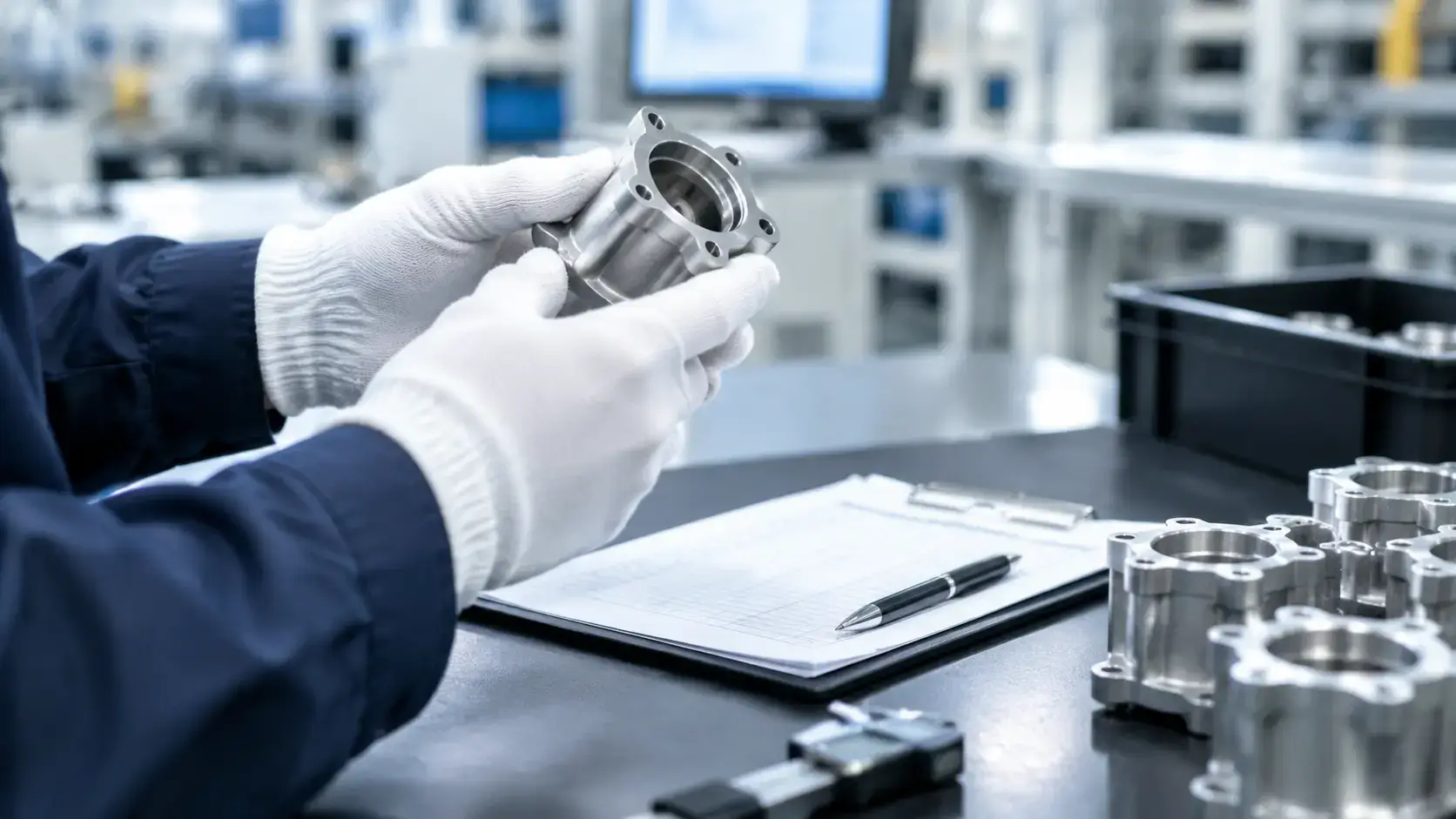
This is useful for long production runs, complicated assembly, tight deadlines, new tooling, or factories that have already shown uneven quality.
Before shipment
A pre-shipment inspection checks finished goods when enough of the order is ready to represent the actual shipment.
Many buyers arrange this check before final payment or before giving the factory permission to ship.
If an 8,000-piece order has four SKUs, the report should show whether all four were available and sampled. Checking only one model tells you very little about the other three.
At this stage, the inspector may check workmanship, dimensions, function, quantity, accessories, packaging, labels, and carton markings against the approved requirements.
During container loading
Loading supervision checks what actually goes into the container or truck.
The inspector may record carton quantity, product identity, container condition, loading method, and seal information.
For example, 500 cartons may have passed the earlier inspection. If only 476 cartons are loaded, you now have a shipment shortage even though the product quality itself may be fine.
Your order is already in production?
Send the PO, specification sheet, factory address, current production status, and shipping date. The inspection scope can then match the actual product and the stage production has reached.
How does a product inspection work?
Start by giving the inspector the final product requirements.
That normally means the purchase order, drawings, specifications, BOM if needed, approved sample details, artwork, packaging requirements, tolerances, known defects, and required tests.
When the inspector gets to the factory, one of the first jobs is checking how much production is actually ready.
The samples should come from normal production. The factory should not simply pick a few of its nicest pieces and put them on a table.
If 1,000 cartons are spread across 20 pallets, taking every sample from two easy-to-reach cartons on one pallet does not tell you much about the whole lot. Samples should be spread across the available shipment where practical.
For a stainless-steel bottle order, the inspection might include:
- general visual checks across the selected sample;
- 32 units for selected dimensional measurements;
- 20 units for a leakage check;
- 10 cartons for packing verification;
- barcodes from each SKU for scanning;
- selected cartons for dimensions and gross weight.
Those numbers are only examples. A simple plastic accessory and a safety-related mechanical part should not use the same test scope just because both came from a factory.
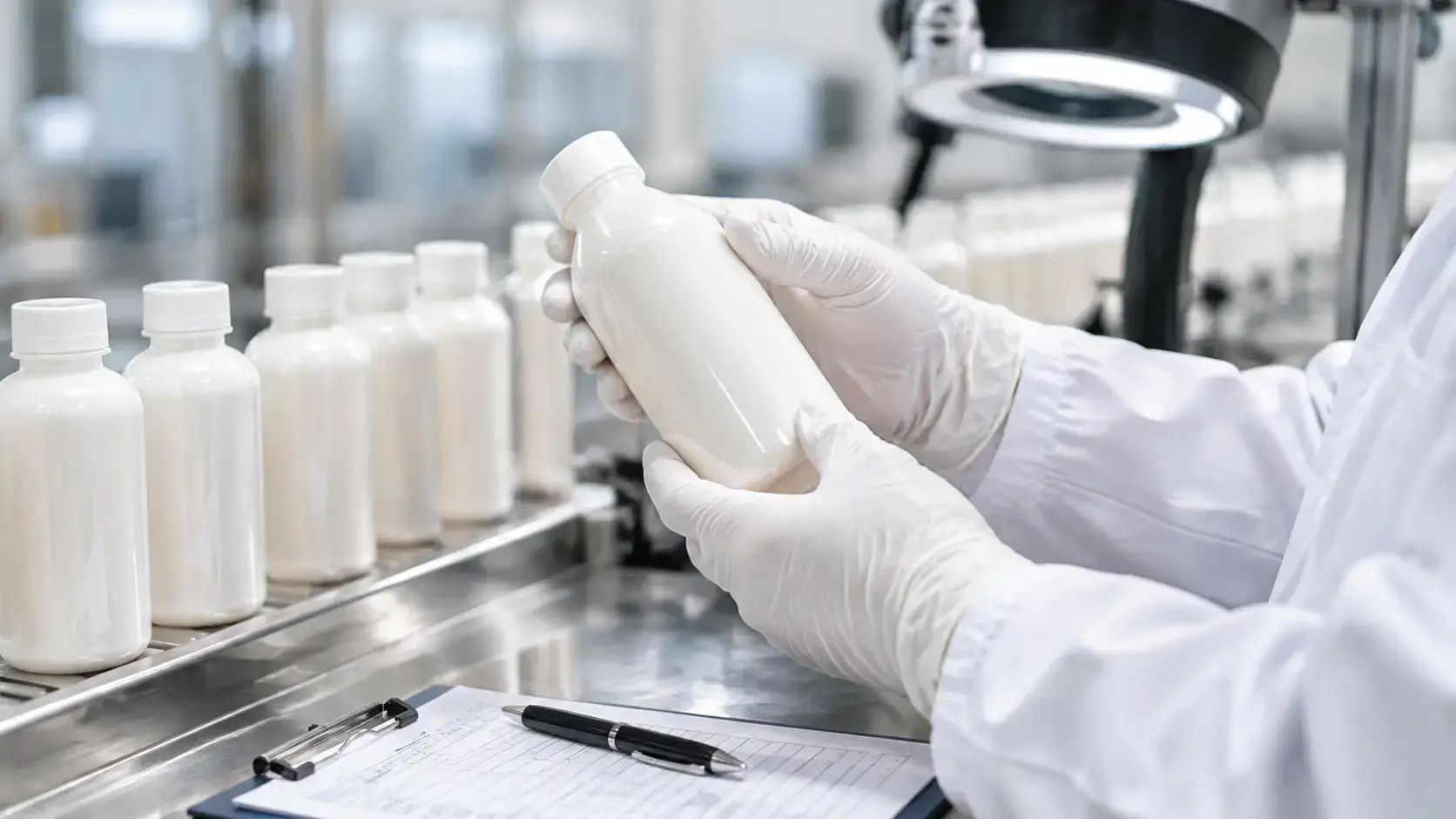
A useful inspection report should show the available quantity, sample size, defects, actual measurements, test results, photos, and anything the inspector could not verify.
What are critical, major, and minor defects?
| Defect type | Meaning | Example |
|---|---|---|
| Critical | May create an unacceptable safety or serious compliance risk | Accessible sharp edge on a children’s product |
| Major | Materially affects function, use, saleability or an important requirement | A chair leg cannot be assembled correctly |
| Minor | Smaller deviation that normally does not stop normal use | Small cosmetic mark on a hidden surface |
The same defect can mean very different things on different products.
A 4 mm scratch underneath industrial equipment may be minor. Put the same scratch across the polished front of a premium hotel fixture, and the buyer may treat it as major.
Define important defects before inspection. If something is hard to explain in words, use photos.
How detailed should the product specification be?
Clear enough that an inspector who was not part of the original sales discussion can still use it.
For 5,000 stainless-steel bottles, “500 ml stainless bottle, black” leaves far too many questions.
A usable specification may include:
- product capacity;
- material or steel grade where relevant;
- finished dimensions and tolerances;
- weight or acceptable range;
- surface finish;
- color reference;
- logo artwork and position;
- lid and seal construction;
- included accessories;
- retail packaging;
- carton quantity;
- shipping marks;
- functional test method;
- known unacceptable defects.
Clear specifications also make supplier quotes easier to compare. If two factories are quoting different versions of the product in their heads, comparing the prices is not very useful.
Product inspection is not the same as product testing
This is easy to mix up.
An inspector may switch an appliance on 20 times and record whether it works. That is a functional check. It is not automatically an electrical safety test carried out to the applicable standard.
An inspector may compare material markings on 32 components with the approved specification. That still does not prove the chemical composition if laboratory analysis is required.
The same goes for compliance marks. An inspector may confirm that a CE mark appears on the product. That alone does not prove the required conformity assessment was completed correctly.
For U.S. general-use consumer products subject to CPSC-enforced safety rules, the responsible manufacturer or importer may need to issue a General Certificate of Conformity based on product testing or a reasonable testing program.[3]
For products covered by CE-marking legislation in the EEA, manufacturers are responsible for identifying the applicable requirements, completing the required conformity assessment, preparing technical documentation, issuing the EU Declaration of Conformity, and applying the CE mark where required.[4]
Factory inspection does not replace laboratory testing, certification, or other legally required compliance work.
Product inspection is different from a factory audit
Product inspection: Does this production lot meet the agreed requirements?
Supplier audit: Does this supplier have the people, equipment, processes, records, and controls needed to manufacture reliably?
A factory can have 20 machines, calibrated measuring equipment, incoming-material checks, and an experienced QC team and still make a bad batch. Good systems reduce risk. They do not make mistakes impossible.
For a new supplier handling a $200,000 custom order, using both checks can make sense. The audit looks at the factory. The inspection looks at the actual goods.
The same defect keeps coming back?
Another inspection may catch it again, but that will not fix the cause. Check the factory’s process, equipment, quality records, and corrective actions before increasing order volume.
Can an inspector check packaging and labels?
Yes. In many orders, packaging and labels are part of the same inspection.
Suppose 2,400 pieces are packed 24 per carton. You should end up with 100 master cartons.
If several inspected cartons contain only 23 pieces, the product itself may be fine, but the packing quantity is wrong.
Inspectors can also check barcodes, manuals, warning labels, country-of-origin markings, shipping marks, model numbers, and approved artwork.
There is one catch: the inspector can check whether the printed wording matches the approved file, but that does not automatically prove the wording itself is legally valid.
For example, the FTC says an unqualified “Made in USA” claim generally requires the product to be “all or virtually all” made in the United States.[5]
How should you read a product inspection report?
Do not just look for a big PASS or FAIL at the top.
Start with production status. If only 3,500 of a 6,000-unit order were finished when the inspector arrived, the report may not tell you enough about the full shipment.
Then look at what was actually sampled. If the order contains 2,000 black, 2,000 white, and 2,000 blue units, check whether all three colors were represented.
Defect patterns matter too. “12 major defects” is useful, but “10 of the 12 are the same loose connector found across four cartons” tells you much more.
Read the actual measurements. For a dimension specified at 25.0 ± 0.3 mm, results of 25.1, 25.2, and 24.9 mm are very different from repeated readings of 25.5–25.7 mm.
The same goes for functional tests. “Function OK” is not very helpful if the report never says whether the inspector tested 2 pieces or 50.
And if the factory did not have the fixture needed for a required test, the report should say “not tested.” It should not quietly turn that missing test into a PASS.
What happens when a product inspection fails?
Suppose 12 units in a 200-unit sample have the same hole positioned 1.5 mm outside tolerance.
Fixing those 12 pieces is not enough. The real question is whether the same problem exists elsewhere in the lot.
If a drilling fixture shifted during production, hundreds or even thousands of pieces may have the same error.
- identify the affected production batch;
- sort finished inventory;
- adjust tooling or production settings;
- rework affected products;
- replace defective components;
- repeat functional or dimensional tests;
- inspect the corrected lot again.
If the supplier says 3,000 units were reworked, ask for evidence covering those 3,000 units. A few photos of repaired samples do not tell you much.
Should you inspect 100% of the products?
Sometimes it makes sense.
A 100% check may be useful for a recurring defect, a reworked lot, expensive goods, or a feature where one missed problem could cause serious trouble.
But be careful with the phrase “100% inspected.” What exactly was checked?
If workers inspect all 5,000 units for scratches, that is a 100% visual check for scratches. It does not mean they measured 5,000 critical dimensions, performed 5,000 functional tests, or verified the material in every piece.
People can miss things too. Long repetitive checks bring fatigue, judgment differences, and simple human error. Hidden defects are another issue.
NIST notes that sampling is especially useful when 100% inspection is too costly, too time-consuming, or when the test destroys the item being tested.[1]
How often should products be inspected?
There is no useful one-size-fits-all answer.
Order A is 1,000 units of a simple repeat product from a supplier that has made the same thing successfully for three years.
Order B is 20,000 units of a new product using a new mold, a new factory, custom packaging, and a fixed retail launch date.
Order B clearly has more places where things can go wrong, so it deserves tighter checks.
Inspect more closely when:
- the supplier is new;
- the product is new or customized;
- order value is high;
- tooling has changed;
- a material or component has changed;
- production has moved to another facility;
- previous inspections failed;
- customer complaints are rising;
- a defect could create a serious safety or compliance problem.
A mature product from a stable supplier may need fewer inspections if the supplier has a solid track record and the process has stayed stable.
Who should perform product inspection?
Your own QC staff can do it. So can an independent quality engineer or a third-party inspector.
The important part is whether the person understands the product.
A garment inspector may be excellent at checking stitching, fabric, and size measurements but still be the wrong person for a CNC-machined component with a ±0.02 mm critical tolerance.
Check that the inspector has the right measuring tools and can follow your drawings, tolerances, test methods, and defect criteria.
With a new supplier, inspection works better alongside supplier checks and production follow-up. A good final inspection cannot make up for choosing the wrong factory in the first place.
How much does a product inspection cost?
The price mainly depends on factory location, inspection time, SKU count, sample size, tests, equipment, and technical difficulty.
Put the fee in context. If a $300 inspection checks a $60,000 shipment, the cost is 0.5% of the shipment value.
On a $150,000 shipment, the same $300 is only 0.2%.
That does not mean every shipment needs an inspection. But compare the fee with the cost of receiving goods that cannot be sold, assembled, installed, or shipped legally. A cheap inspection can look expensive until one bad order lands in your warehouse.
What are the most common product inspection mistakes?
Using vague specifications. “Good quality,” “strong carton,” and “nice finish” sound clear until two people interpret them differently.
Letting the supplier choose samples. Ten hand-picked pieces tell you very little about a 10,000-unit shipment.
Inspecting too late. If the biggest risk is a hidden component installed early in assembly, a final check may come too late.
Checking appearance but not function. Perfect paint does not help much if the product fails the first time someone uses it.
Ignoring packaging. A good product can still arrive damaged if the carton or internal protection is weak.
Reading only PASS or FAIL. Look at the measurements, defect patterns, photos, missing tests, and production status.
Repeating inspection without fixing production. If the same defect shows up in three orders, stop treating it as three separate surprises. Check the process, tooling, material, or work instruction.
What information should you send before booking an inspection?
- purchase order;
- factory name and address;
- SKU list and quantities;
- latest product specifications;
- drawings and tolerances;
- approved sample information;
- packaging artwork;
- carton requirements;
- defect classifications;
- required functional tests;
- known problems from previous orders;
- planned shipment date.
If the last shipment had 7 loose handles in a 125-piece sample, tell the inspector. Add loose handles to the next checklist instead of pretending the problem never happened.
Need to check a shipment before it leaves China?
Send the order quantity, SKUs, specification files, factory location, and inspection date. The finished lot can be checked for defects, dimensions, function, packaging, labels, and available quantity before shipment.
Finally
Product inspection checks whether the goods you are buying match the agreed specifications. It can catch quality, quantity, function, and packaging problems before shipment. It lowers buying risk, but it does not replace product testing, regulatory compliance, or good factory quality control.
What is product inspection in simple terms?
Product inspection means checking manufactured goods against what the buyer ordered. Inspectors may check appearance, dimensions, function, quantity, packaging, and labels. Large orders usually use a defined sample instead of checking every unit. The report helps the buyer decide whether to ship, rework, or inspect the goods again.
Is product inspection the same as quality control?
No. Product inspection is one part of quality control. Quality control can also cover incoming materials, production processes, testing, rework, and supplier performance. Inspection mainly checks the actual goods at a certain stage against agreed requirements.
What is an AQL inspection?
An AQL inspection uses statistical sampling to evaluate a production lot. Lot size, inspection level, sampling scheme, and AQL affect the sample and pass/fail limits. Passing the sample supports a decision about the lot, but it does not mean every uninspected unit has been checked or proven defect-free.
When should a pre-shipment inspection be done?
Schedule it when enough finished goods are ready to represent the shipment and before the goods leave the factory. If your main risks happen earlier, such as material substitution, new tooling, or difficult assembly, add pre-production or during-production checks instead of waiting until the end.
Does passing product inspection mean the product is legally compliant?
No. Compliance may require laboratory tests, technical documents, certificates, registrations, or formal conformity assessments. A factory inspection can check visible products, labels, packaging, and specified functions, but it cannot replace those requirements. For regulated goods, work out the compliance plan before production starts.