Brief
Review drawings, samples, materials, target price, volume, packaging, destination market and delivery priorities.

Contract manufacturing services
China-side production management for custom products,
components and assemblies
JS Sourcing helps buyers build and control third-party manufacturing projects in China. Our Shanghai team coordinates supplier vetting, parts sourcing, tooling, production follow-up, quality control, consolidation and shipping around your product requirements, cost target and destination market.
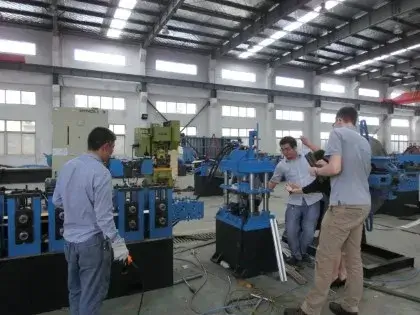
Better control, fewer surprises
Planning, managing, troubleshooting and improving multi-supplier orders in China requires significant resources. Every additional supplier and third party increases operational complexity, affecting cost efficiency, time to market and procurement lead times.
JS Sourcing sets up practical manufacturing routes and handles the China-side workload while ownership and key decisions stay with you. From material selection to delivery schedules, we combine trade-specific knowledge with an established industrial network.
We compare factories by process fit, material capability, order volume, tooling needs, export experience and communication reliability before production is placed.
JS Sourcing does not certify products itself. We help identify relevant testing needs, check supplier documentation and coordinate pre-production controls before mass production starts.
Quality checkpoints are built around the approved sample, drawings and inspection standards, with follow-up on defects, corrective actions and shipment approval.
We coordinate temporary storage, repacking, multi-supplier consolidation and FCL or LCL shipment handover by sea or air, depending on the order plan.
When demand changes, we help compare supplier capacity, secondary sources, production batches and inventory routes so output can grow or slow down without losing control.
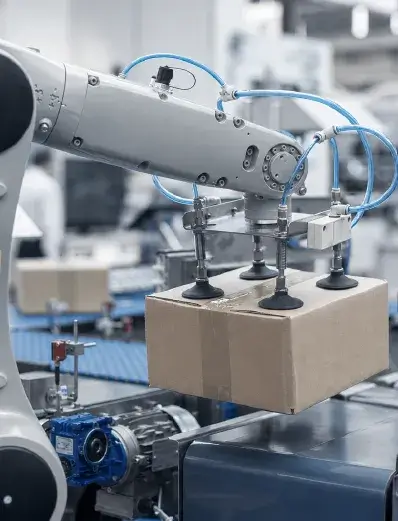
Manufacturing processes we coordinate
We match each component to the process and workshop best suited to its geometry, material, tolerance, finish and order volume, then coordinate the interfaces between suppliers. MOQ, lead time and tooling requirements are reviewed project by project.
Metal casting, forming, stamping, welding, CNC machining and compatible surface finishing.
Injection molding, laser marking, packaging setup and product identification control.
Assembly, packaging, storage, consolidation and shipment preparation from China.
Pre-production, during production, pre-shipment and loading checks according to the project risk.
NDA, tooling ownership and specification control documented before production.
Industries
Different sectors demand different tooling, materials, testing methods and supply-chain patterns. JS Sourcing combines trade-specific knowledge with a cross-industry supplier network.
Our process
A structured process means fewer surprises. We keep the route clear from first feasibility review to repeatable production, quality assurance and shipment.
Review drawings, samples, materials, target price, volume, packaging, destination market and delivery priorities.
Break the product into components, manufacturing processes, suppliers, quality checkpoints and logistics requirements.
Compare suitable factories, quotations, capabilities, lead times, tooling terms and communication reliability with the same discipline used in product sourcing.
Coordinate molds, jigs, dies, sample rounds, pilot runs, golden samples and technical baselines before mass production.
Track production milestones, supplier interfaces, corrective actions, inspections and approval documents, including pre-production inspection where needed.
Consolidate components or finished goods, arrange FCL/LCL shipping from China and convert feedback into improvements.
Cost, MOQ and lead time
A contract manufacturing quote is not only a unit price. The real cost depends on product complexity, supplier setup, tooling, quality controls, packaging, consolidation, freight handover and how changes are handled after approval.
Raw material grade, component count, tolerance, finish, labor intensity and production process all affect the base manufacturing price.
Molds, dies, jigs, fixtures, sample rounds and pilot production should be separated from mass-production cost so ownership and approval terms stay clear.
MOQ and lead time depend on supplier capacity, material availability, tooling status, order season, approval speed and whether several factories must be synchronized.
Project coordination, quotation comparison, supplier follow-up, inspection planning and reporting should be budgeted separately from the factory unit price.
Export cartons, retail packaging, repacking, warehousing, FCL or LCL consolidation and shipping handover can change the landed-cost picture.
Late drawing changes, unclear approval standards, rushed production, new certificates or supplier payment terms can increase cost after the first quote.
Why JS Sourcing?
The objective is not simply to find a low quote. It is to create a supply chain that remains cost-efficient, controlled and adaptable after the first production run.
We compare China manufacturing routes against your product requirements, quality level, order volume and freight reality, so savings are reviewed against total landed cost rather than factory price alone.
JS Sourcing works with a broad pool of Chinese factories, specialized workshops and assembly suppliers. Each project still requires supplier screening, quotation comparison and capability checks.
Our team follows up suppliers locally, aligns specifications, checks progress, escalates delays and keeps buyers informed before small issues become shipment problems.
For repeat orders, we can review secondary suppliers, batch planning, storage options and consolidation routes when demand grows, slows down or product requirements change.
Case Studies
Complex products become manageable when the supply chain is engineered. These documented JS Sourcing projects show how fragmented, multi-supplier products were rebuilt as controlled manufacturing setups in China.
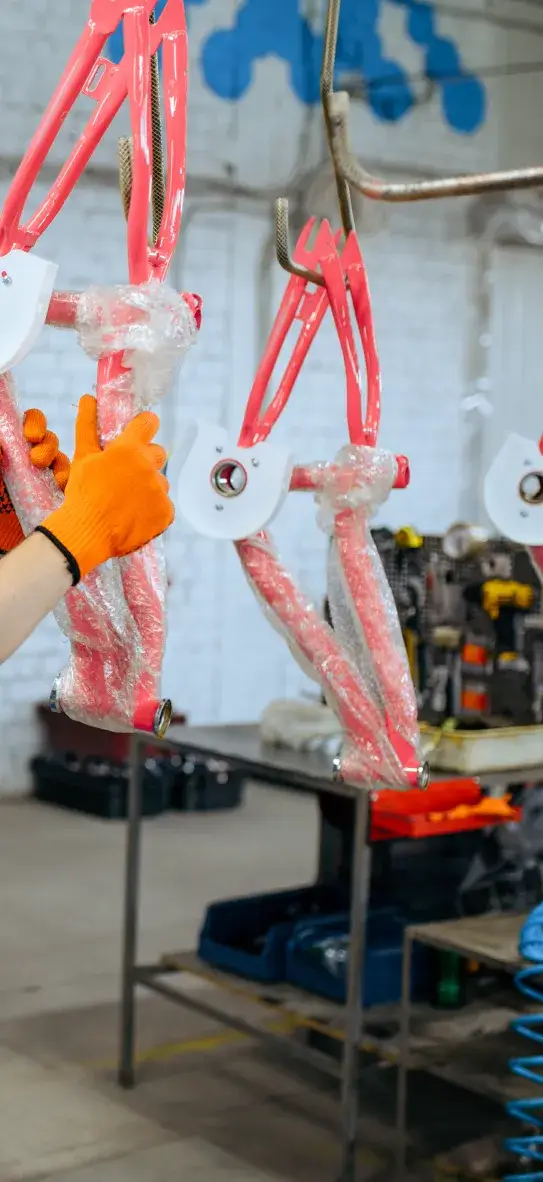 Shared mobility project
A European shared mobility company wanted to move production of a custom bike from Europe to China to reduce manufacturing costs and scale the project. The product was not a standard bicycle: it included a custom aluminum frame, more than 20 bike parts and several made-to-order components.
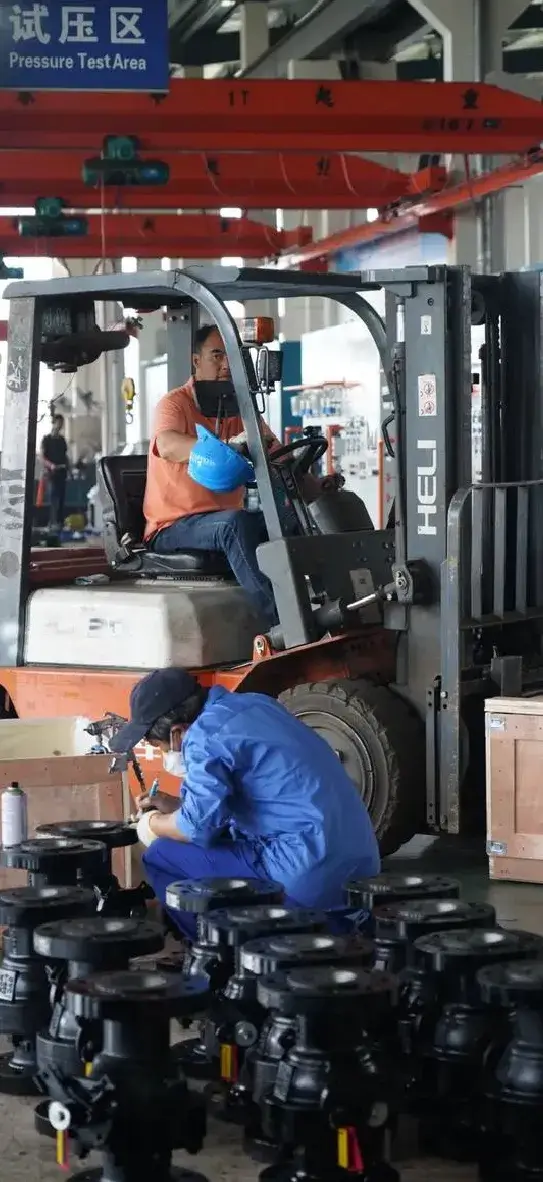 Industrial valve revival project
Industrial valve manufacturing revival project
A European client needed to secure the future of a legacy industrial valve range whose drawings, specifications and manufacturing know-how dated back to the previous century.
Get Started
Tell the Shanghai team what you need to make, the target quantity, current product stage, delivery market and timeline. We will review the manufacturing route, likely cost drivers and next practical steps.
Choosing the right manufacturing model
The terms overlap in practice, but the management scope, design ownership and ideal use case are different.
| Comparison | Contract Manufacturing | OEM | ODM |
|---|---|---|---|
| Typical scope | End-to-end coordination of suppliers, components, assembly, QC, storage and shipping. | A factory manufactures to the buyer’s drawings or specifications. | A factory offers an existing design that can be branded or modified. |
| Design ownership | Usually retained by the buyer; management may span several factories. | Buyer owns or controls the product design. | Supplier usually owns the base design or platform. |
| Buyer workload | Lower operational workload when the contract partner manages the whole supply chain. | Moderate to high, depending on factory capability and buyer resources. | Lower during development, but customization options are narrower. |
| Best suited for | Multi-part products, fragmented processes, assembly projects and buyers needing local control. | Production-ready custom products with a suitable single factory. | Faster product launches using a proven supplier product platform. |
| Typical JS Sourcing role | Manage the supplier base, production route, QC checkpoints, consolidation and shipping handover. | Help find, compare or manage a factory producing to buyer specifications. | Help screen supplier platforms, customization limits and export requirements. |
White label manufacturing is different. It usually starts from an existing supplier product that the buyer brands. Contract manufacturing usually starts from buyer-owned or buyer-specified requirements, components, tooling, drawings or samples. If the product still needs engineering or validation, product development should come first; if the need is only a supplier search, product sourcing may be enough.
FAQ
A clear brief helps us assess feasibility, supplier fit and the correct manufacturing route.
Share drawings, photos or a reference sample, required materials, target quantity, target price if available, packaging needs, destination market and required delivery date. Incomplete briefs can still be reviewed, but clearer inputs produce a more accurate plan.
Yes. Multi-supplier coordination is a central part of contract manufacturing: component sourcing, shared specifications, compatible tolerances, assembly planning, synchronized lead times, quality checks and consolidated shipping.
Quality controls are defined against the approved sample or technical specification. Depending on risk, checks may cover raw materials, tooling readiness, production output, dimensions, function, packaging, labeling and container loading.
Yes. JS Sourcing can review the current issue, check whether the problem comes from specifications, materials, production control, inspection standards or supplier communication, then help follow up corrective actions locally. If the factory is no longer suitable, we can also help compare alternative suppliers.
Tooling ownership, drawing control, BOM files, samples and inspection standards should be agreed before payment or production starts. In most buyer-led contract manufacturing projects, the buyer should retain ownership of paid tooling and technical documentation, while JS Sourcing helps document the terms with the supplier.
Yes. JS Sourcing can coordinate molds, dies, jigs, machining fixtures and custom component development. Ownership, maintenance, acceptance and IP terms should be documented before tooling work begins.
JS Sourcing can coordinate temporary storage, repacking, multi-supplier consolidation, FCL or LCL shipping, sea freight and air freight according to the project requirements.
Yes. If you already have a supplier, JS Sourcing can help with local coordination, specification alignment, progress follow-up, inspection planning, packaging checks, consolidation and shipment management.
There is no reliable standard price without reviewing the product. Cost depends on materials, process, tooling, order volume, quality requirements, packaging, supplier management, inspections, consolidation, freight and payment terms. JS Sourcing separates these cost drivers so the buyer can compare the real manufacturing route, not only the factory unit price.
MOQ and lead time depend on tooling status, material availability, supplier capacity, order season, component count, testing needs and how quickly samples or drawings are approved. Multi-supplier products usually need extra coordination time because several factories must work to the same production schedule.
The fee structure depends on project scope. A simple supplier-management task is different from a multi-supplier contract manufacturing project with tooling, sampling, quality control, warehousing and shipping coordination. We clarify the service scope before work starts so factory costs, third-party costs and JS Sourcing service fees are not mixed together.


