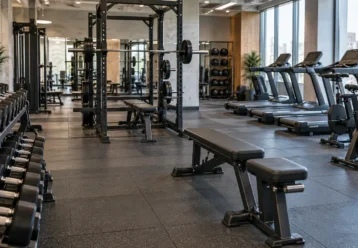
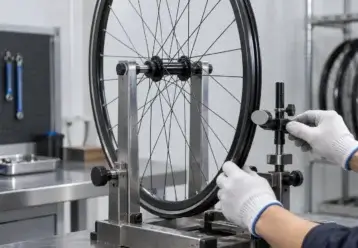
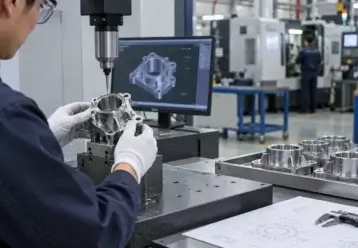
Buying wholesale fitness equipment from China starts with finding the right manufacturer, checking product quality, and working out the full import cost. Don’t choose a supplier based on price alone. Check the equipment’s load ratings, safety documents, warranty terms, and spare-parts availability. Before placing a bulk order, approve a sample and agree on inspection requirements. This is especially important when you’re buying machines for commercial gyms, where equipment gets used every day.
What Fitness Equipment Can You Buy Wholesale from China?
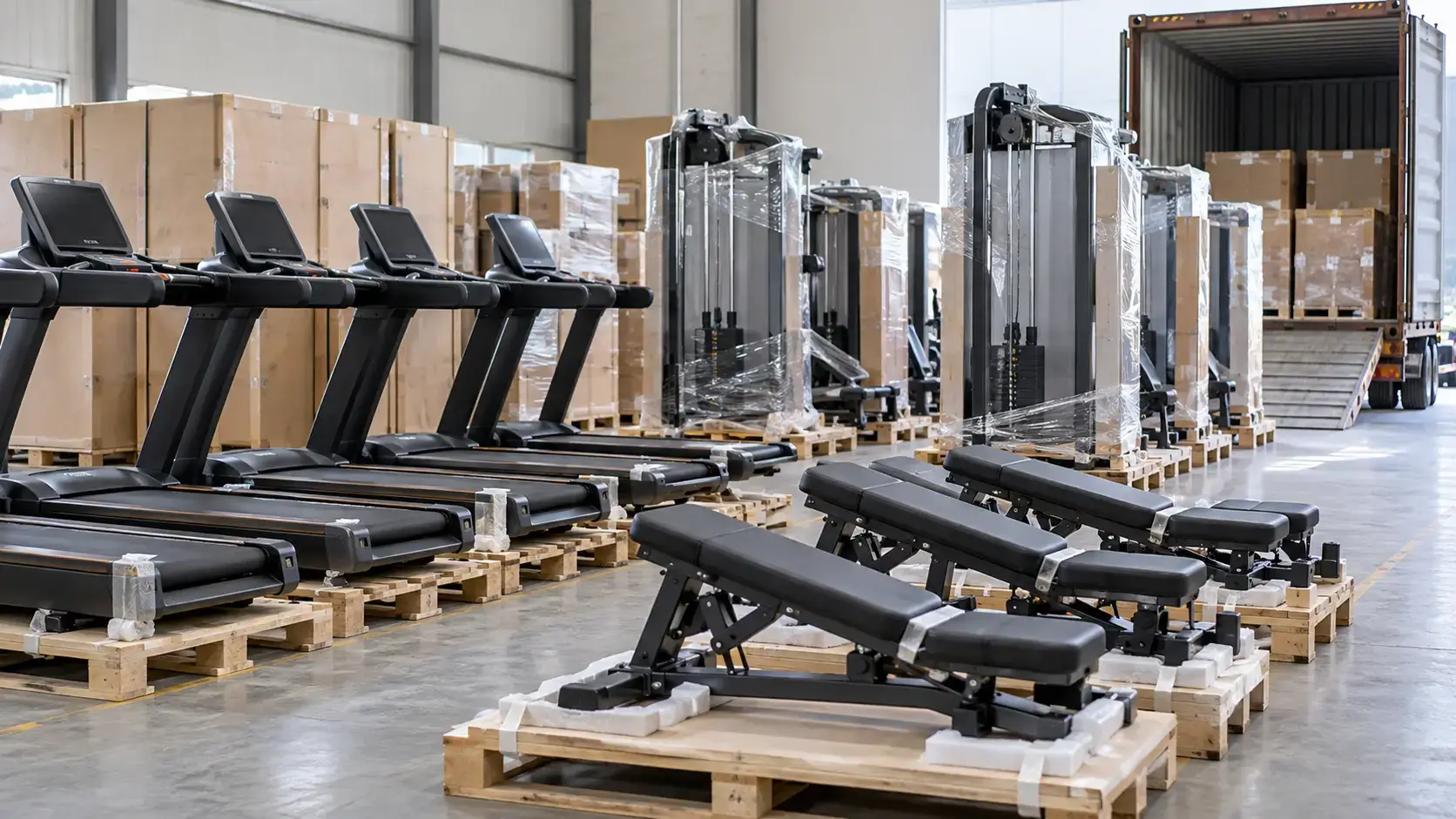
Chinese factories produce almost every type of gym equipment, from dumbbells and exercise mats to large strength machines and commercial treadmills. But a factory that makes good weight plates won’t necessarily know how to build a reliable treadmill. The manufacturing processes are quite different.
| Equipment Category | Common Products | What to Check |
|---|---|---|
| Free weights | Dumbbells, kettlebells, barbells, weight plates | Weight accuracy, handle construction, materials, coating |
| Strength machines | Cable trainers, Smith machines, plate-loaded machines | Frame strength, welds, cables, pulleys, load ratings |
| Cardio equipment | Treadmills, exercise bikes, rowing machines | Motors, electrical specifications, safety controls |
| Training accessories | Resistance bands, mats, foam rollers, skipping ropes | Materials, dimensions, durability |
| Gym fixtures | Power racks, benches, storage systems | Stability, load ratings, assembly requirements |
Take dumbbells and treadmills as an example. Dumbbell production may involve casting, machining, and rubber coating. Treadmills need motors, electronic controls, moving parts, and functional testing.
If you’re ordering several types of equipment, you may end up working with more than one factory. That’s common with fitness equipment sourcing from China. Just make sure you know which factory makes each product and who will handle quality problems if something goes wrong.
Commercial vs. Home Fitness Equipment: Which Should You Import?
A treadmill built for a home isn’t necessarily suitable for a busy gym. The same goes for benches, exercise bikes, and strength machines.
Commercial equipment needs to handle the conditions it was designed for, including repeated use by different people. Home equipment may have different limits for loading, operation, and maintenance.
ISO 20957-1:2024 classifies certain indoor stationary training equipment by its intended use. Class H covers domestic equipment. Classes S and I cover equipment intended for specified training facilities with controlled access.[1]
When buying equipment for a commercial gym, ask the manufacturer for its intended-use classification, maximum user weight, rated loads, maintenance instructions, and relevant test reports.
Different machines need different checks:
- Weight benches: Find out whether the stated capacity includes both the person and the weights they’re lifting.
- Power racks: Check how the rack was load-tested and whether it needs to be fixed to the floor.
- Cable machines: Look at the cable construction, pulleys, adjustment mechanisms, and safety-test records.
- Treadmills: Check the continuous motor rating, expected operating conditions, stopping controls, and maintenance requirements.
Don’t rely on a supplier calling something “commercial grade.” Ask what the rating is based on. If the documents only cover home use, look for a model with evidence supporting the commercial application.
How to Choose a Fitness Equipment Manufacturer in China
Should You Buy from a Factory, Trading Company, or Sourcing Agent?
Buying directly from a factory can work well when you know exactly what you need. You can discuss drawings, materials, samples, and production changes with the people making the equipment.
A trading company can be useful when your order includes products from several factories. Instead of handling every purchase separately, you deal with one supplier. You’ll still want to know where the products come from and who is responsible for quality.
A sourcing agent handles some of the purchasing work on your behalf. This may include finding manufacturers, checking suppliers, comparing quotations, and following up on production.
Say you’re buying one model of strength machine. Working directly with its manufacturer may be straightforward. But if you’re also ordering dumbbells, yoga mats, resistance bands, and treadmills, you’ll probably need different production capabilities. The choice between these arrangements is explained in more detail in this guide to China sourcing models.
Check the Factory Before Placing an Order
A supplier’s product catalog won’t tell you whether it owns the factory shown in the photos.
Ask for its registered company name, business license, manufacturing address, and details of any work sent to subcontractors.
Then check whether the factory has the equipment and staff needed to make your products.
For strength machines, look at welding facilities, assembly equipment, measuring tools, and quality records. For powered equipment, ask how the factory handles electronic assembly, testing, and component tracking.
Production capacity also needs checking. A factory may be able to make your equipment, but that doesn’t mean it has room in its schedule for your order. Ask about current production commitments, material availability, and your proposed production slot. Get the schedule confirmed in writing.
A supplier audit in China can check the factory’s facilities, business records, quality procedures, and subcontracting arrangements.
Compare Quotations on the Same Terms
Send the same product requirements to several qualified suppliers. If one factory quotes for a different motor, frame material, or packaging method, you’re no longer comparing the same product.
Each quotation should show:
- The exact product model and specification version
- Unit price, currency, and minimum order quantity
- Materials, components, and included accessories
- Packaging, tooling, and sample charges
- Testing and inspection arrangements
- Production lead time
- Incoterms rule and named delivery location
- Payment, warranty, and spare-parts terms
Ask suppliers to point out anything they can’t meet. A cheaper machine isn’t much of a bargain if it uses weaker components or leaves out work covered by the other quotations.
What Specifications Should You Confirm Before Ordering?
Photos show you what a machine looks like. They don’t tell you much about the steel, bearings, load ratings, or parts inside it.
Put the important specifications in writing and attach them to your purchase order. Include drawings, materials, measurements, acceptable tolerances, and the tests the finished product must pass.
Weights, Dimensions, and Materials
When buying dumbbells, kettlebells, or weight plates, specify the nominal weight and how much variation you’ll accept. Also check the handle dimensions, materials, and surface finish.
The acceptable weight range can be calculated using these formulas:
Lower weight limit = Nominal weight × (1 − agreed tolerance)
Upper weight limit = Nominal weight × (1 + agreed tolerance)
There isn’t one tolerance that automatically works for every type of free weight. Use the requirement agreed for the product you’re buying.
For benches and racks, ask for frame drawings, material specifications, load ratings, and adjustment details. Check whether the stated capacity depends on particular installation or anchoring conditions.
Moving Parts and Locking Mechanisms
Cable machines have several parts that can wear or fail, including cables, pulleys, connectors, and adjustment mechanisms. Ask the supplier to specify these parts rather than describing the machine as simply “heavy duty.”
Adjustable benches and racks also need secure locking mechanisms. Check the relevant adjustment positions and the test conditions used to establish their load ratings.
If a supplier claims a machine can carry a certain load, ask how it was tested. Was the load static or moving? Which machine configuration was used? Without that information, the rating is hard to judge.
Treadmill Motors and Electrical Systems
Pay close attention to motor ratings. A peak-power figure doesn’t tell you what the motor can deliver continuously. Ask for the continuous rating and the conditions under which it was measured.
Check the voltage, frequency, rated power, electrical protection, and requirements of the country where the machine will be sold.
The approved specification should identify the motor, controller, running belt, deck, emergency-stop mechanism, and other safety-related components.
If the factory wants to replace one of these parts during manufacturing in China, get the proposed change in writing. Safety-related changes may also need further testing.
How Much Does Wholesale Fitness Equipment from China Cost?
Two factories can quote different prices for machines that look almost identical. The difference may come from the steel, motors, bearings, manufacturing methods, packaging, or services included.
Before negotiating, find out exactly what you’re paying for.
How to Compare Factory Prices
Start with one approved specification and ask every supplier to quote against it.
- Different materials: Ask for the price using your specified material. Evaluate alternatives separately.
- Packaging not included: Get a packaging quotation and add it to the comparison.
- Testing charged separately: Check which tests are required, what they cost, and who will arrange them.
- Different shipping terms: Compare the costs included under each quotation’s delivery terms.
- Different warranty coverage: Check which parts are covered and who pays for replacements, labor, and shipping.
Don’t approve a cheaper motor, bearing, or structural component until you’ve checked what changes. Lowering the price is one thing. Changing the equipment’s performance or safety is another.
Calculate the Full Landed Cost
The factory price isn’t necessarily what the equipment will cost by the time it reaches your warehouse.
Depending on the delivery terms, you’ll also have shipping, insurance, import duties, destination charges, and local delivery to pay for.
Landed cost = Product cost + non-included origin charges + freight + insurance + applicable duties and nonrecoverable taxes + destination charges + inland delivery.
Landed cost per saleable unit = Total allocated landed cost ÷ Number of saleable units.
Start with the supplier’s quoted Incoterms basis. Don’t add freight, insurance, or origin charges a second time if they’re already included.
If you’re buying for resale, you’ll also need to account for warehouse costs, local installation, sales expenses, and warranty servicing when setting your selling price.
Minimum Order Quantity and Custom Equipment
Factories may set different minimum order quantities for different models, colors, materials, or packaging designs.
If you’re buying several models, ask whether the quantities can be combined. Don’t assume meeting the total order value is enough.
Adding your logo to an existing model may only require changes to branding and packaging. Designing a new frame, molded part, or electronic system is a bigger job. It can involve engineering work, new tooling, sample revisions, and extra testing.
For custom equipment, put tooling ownership, approved drawings, component specifications, and design-change responsibilities in the contract.
Which Safety Standards Apply to Fitness Equipment?
Fitness equipment safety rules depend on what you’re importing, how it will be used, and where you plan to sell it.
A factory’s ISO 9001 certificate tells you about its management system. It doesn’t prove that a particular treadmill or weight bench has passed the relevant product safety tests.
ISO 20957 for Stationary Training Equipment
ISO 20957-2:2024 covers additional safety requirements for specified stationary strength training equipment. Its published scope refers to ISO 20957-1:2013, even though ISO 20957-1:2024 is now available. Ask the testing laboratory which editions and requirements apply together.[2]
ISO 20957-6:2021 covers additional safety requirements and test methods for specified powered and manually driven treadmills. It is used with the relevant general requirements.[3]
These standards apply to specified stationary training equipment. Don’t automatically use them for dumbbells, resistance bands, exercise mats, or outdoor training equipment. Those products need their own assessment based on their design and destination market.
ASTM Standards for Fitness Equipment
ASTM F2276-23 sets design and manufacturing requirements for covered indoor fitness equipment. These include requirements related to stability, moving parts, adjustments, warnings, and instructions. Relevant testing methods include ASTM F2571.[4]
ASTM F2115-25 focuses on treadmills. It covers relevant design and safety requirements for motorized and user-driven machines, including stability, accessible hazards, controls, guarding, and stopping mechanisms.[5]
Not every ASTM standard is automatically required by law. Check which requirements apply to your product and market, along with any standards your customers expect you to meet.
EU CE Marking and Product Safety
Not all fitness equipment needs CE marking. The mark is required only when applicable EU legislation calls for it. It also doesn’t mean an EU authority has inspected and approved the product.[6]
The EU General Product Safety Regulation, Regulation (EU) 2023/988, has applied since December 13, 2024. It sets general safety requirements for relevant consumer products and responsibilities for businesses placing them on the market.[7]
The EU Machinery Regulation, Regulation (EU) 2023/1230, is scheduled to apply generally from January 20, 2027, following a published correction to the original application date. Some provisions have different dates.[8]
For powered fitness machines entering the EU, check whether machinery, electrical, electromagnetic compatibility, or other legislation applies. Confirm the required conformity assessment and importer responsibilities before production.
Check the Documents for the Exact Product
Ask the supplier for the documents that apply to your equipment and destination. These may include:
- Relevant laboratory test reports
- Required declarations of conformity
- Technical documents and risk assessments
- Product identification and traceability details
- Assembly, operating, and maintenance instructions
- Required warnings and safety markings
- Electrical and electromagnetic compatibility evidence, where applicable
Check the model number, configuration, standard edition, and tested components.
A test report for one treadmill doesn’t automatically cover another model. The same problem can arise when a factory changes the motor, controller, frame, or another safety-related part.
How to Inspect Fitness Equipment Before Shipment
Don’t leave every quality check until the equipment is packed. Some problems are much easier to correct while production is still underway.
Approve a Sample Before Production
Check the sample against the approved drawings, materials, dimensions, and functions. Keep a record of the measurements, components, and test results.
Use the relevant test methods for structural and electrical safety. A machine that looks solid isn’t necessarily safe under its rated load.
Check Production Before Final Assembly
Look at critical materials and components while the factory is building the order.
For strength machines, check frame construction, cables, pulleys, and connection points. For treadmills, check the motors, controllers, stopping controls, and other approved safety-related parts.
If something has been substituted, find out why and assess the change before the affected machines move through production.
Inspect the Finished Equipment
| Inspection Area | What to Check |
|---|---|
| Product and quantity | Correct model, version, completed units |
| Dimensions and weight | Measurements against agreed tolerances |
| Construction | Frame, welds, fasteners, assembly |
| Functions | Operation against approved specifications |
| Safety | Required test evidence and relevant functional checks |
| Packaging | Protection, labels, components, accessories |
ISO 2859-1:2026 provides acceptance sampling plans indexed by AQL for lot-by-lot inspection by attributes.[9]
Sampling can be used for agreed workmanship checks. It doesn’t replace required safety testing, and it isn’t a reason to accept a known safety defect.
What Happens If the Equipment Fails Inspection?
The next step depends on what’s wrong.
- Safety defects: Hold potentially affected machines. Investigate the cause, correct the problem, and verify safety before release.
- Functional defects: Repair or replace the affected equipment, then repeat the relevant tests. Reject products that still fail the agreed requirements.
- Appearance defects: Compare the defect with the approved finish standard and inspection criteria. Repair, replace, or accept according to the contract.
- Wrong specifications: Compare the delivered product with the approved order. Don’t accept material or component changes that haven’t been authorized.
Keep a record of affected quantities, repairs, replacements, and reinspection results.
If you can’t visit the factory yourself, pre-shipment inspection in China can document product condition, quantities, functional checks, and packaging before the goods leave.
How to Ship Wholesale Fitness Equipment from China
Fitness equipment can be awkward to ship. Weight plates are extremely dense, while large gym machines take up space and may not be stackable.
Before requesting freight quotes, get the final packed dimensions, gross weight, package count, and handling restrictions from the factory.
FCL or LCL: Which Works Better?
FCL means using a container allocated to your shipment. LCL means sharing container space with goods from other shippers.
FCL can make sense for larger orders that need planned loading and cargo securing. LCL may work for smaller orders that can be safely consolidated with other shipments.
Compare the complete charges, not just the ocean-freight rate.
For free weights, check the container’s payload limit and how the weight will be distributed. With bulky strength machines, available floor space, package height, and stacking restrictions may become the main limits.
LCL shipments involve consolidation and additional warehouse handling. The LCL shipping guide explains how measurements, cargo handovers, documents, and destination charges affect these shipments.
Calculate the Shipping Volume
You’ll need packed dimensions in meters:
Package volume (m³) = Length × Width × Height
Total nominal volume = Sum of all package volumes.
Include pallets or crates in the measurements where applicable.
Don’t assume the total volume will fit neatly into a container. Package shape, stacking limits, weight distribution, and cargo securing all affect how much space can actually be used.
Understand the Shipping Terms
Incoterms 2020 explain which delivery obligations, costs, and risks belong to the buyer and seller.[10]
| Term | What It Means for the Buyer |
|---|---|
| EXW | The buyer takes on extensive collection and transport responsibilities. |
| FCA | The seller delivers the goods to the nominated carrier at the agreed place. |
| FOB | Risk transfers when the goods are loaded on board the vessel at the named port. |
| CIF | The seller arranges carriage and specified insurance to the destination port, but risk transfers earlier. |
FCA is often a better fit than FOB for containerized goods handed over to a carrier before vessel loading.
Whichever term you choose, put the named delivery location and excluded charges in the contract. Don’t assume CIF includes customs clearance or delivery to your warehouse.
Protect the Equipment During Shipping
Secure weight stacks, moving arms, and loose parts so they can’t shift inside the packaging. Protect painted frames, exposed metal, and electronic controls from handling damage and moisture.
Large machines also need clear lifting instructions. The loading plan should address weight distribution, blocking, bracing, and unloading.
ISPM 15 sets phytosanitary requirements for covered raw-wood packaging used in international trade. Processed wood products such as plywood are generally outside its scope.[11]
If the order comes from several factories, shipping coordination from China can cover origin collection, consolidation, freight documents, and cargo handover, depending on the agreed services.
Import Duties and Customs Documents
Import duties depend on what you’re buying, where the goods were made, where they’re going, and how they’re classified for customs.
The Harmonized System uses standardized six-digit subheadings. In the EU, the Combined Nomenclature extends these classifications to eight digits.[12]
The United States Harmonized Tariff Schedule uses eight-digit tariff provisions and ten-digit statistical reporting classifications.[13]
A treadmill, a rubber exercise mat, and a training accessory won’t necessarily have the same tariff classification. Ask a qualified customs broker to confirm the applicable codes and duties before you finalize your import budget.
You’ll normally need a commercial invoice, packing list, and transport document. Depending on the product and market, origin records and compliance documents may also be required.
Make sure the descriptions, quantities, values, and origin details match across the documents.
How Long Does It Take to Import Fitness Equipment from China?
A factory might give you a production completion date, but that’s not the date the machines will arrive at your warehouse.
Ask for separate schedules covering sample approval, production, inspection, freight booking, departure, arrival, customs clearance, and local delivery.
For custom equipment, approve the drawings, samples, materials, and critical components before locking in the manufacturing schedule.
If you’re supplying a new gym, check the building before the equipment ships. Large machines may not fit through the entrance or into an elevator. Floor-loading limits and electrical connections also need to be confirmed.
Leave room in the installation schedule for unpacking, checking the equipment, assembly, commissioning, and correcting any missing or damaged parts.
Warranty and Spare Parts for Commercial Gym Equipment
A machine doesn’t become useless just because a belt, bearing, or controller fails. But if the replacement part can’t be found, it may sit out of service for far longer than expected.
Ask for a spare-parts list for every commercial machine you plan to import.
| Equipment | Parts to Ask About |
|---|---|
| Strength machines | Cables, pulleys, bearings, adjustment pins |
| Treadmills | Motors, controllers, running belts, decks, sensors |
| Exercise bikes | Resistance assemblies, cranks, pedals, electronic controls |
| Adjustable benches | Locking mechanisms, hardware, pads |
Get the prices, ordering process, expected availability, and compatibility information.
Pay particular attention to proprietary components. Ask what happens if the factory updates the model or stops making it.
Warranty terms should also spell out which components are covered, what isn’t covered, how claims are submitted, and who pays for replacement parts, labor, and shipping.
A long warranty sounds good on paper. It’s less useful if the supplier can’t provide the part needed to repair the machine.
Wholesale Fitness Equipment Purchasing Checklist
Before paying a deposit, make sure these details are settled:
- Supplier: Registered company, actual factory, manufacturing capabilities, and subcontractors.
- Equipment: Approved models, drawings, materials, rated loads, and intended use.
- Safety: Applicable standards, test evidence, and destination-market requirements.
- Price: Unit cost, MOQ, tooling, packaging, shipping terms, and estimated landed cost.
- Samples: Approved specifications, measurements, and required test results.
- Contract: Payment terms, production requirements, inspections, delivery responsibilities, and remedies for defects.
- Shipping: Packed dimensions, gross weight, transport documents, and customs classification.
- After-sales: Warranty coverage, spare-parts availability, and maintenance instructions.
When an order involves several factories, China sourcing services can coordinate supplier selection, quotation comparisons, production follow-up, and quality checks under an agreed project scope.
Frequently Asked Questions
Is It Cheaper to Buy Fitness Equipment Wholesale from China?
It can be, but the factory price only tells part of the story. Freight, duties, packaging, inspection, and after-sales costs affect what you actually pay. Compare the landed cost of equipment with matching specifications before choosing a supplier.
What Is the MOQ for Wholesale Fitness Equipment?
There isn’t one standard MOQ. It depends on the factory, model, materials, and customization. Ask whether the minimum applies to each model, color, packaging type, or the whole order.
How Can I Verify a Chinese Gym Equipment Manufacturer?
Check its business registration, factory address, production equipment, subcontractors, and quality records. Review samples and relevant test reports. For a larger or more demanding order, consider an independent factory audit.
Does All Fitness Equipment Imported from China Need CE Marking?
No. CE marking is only required when applicable EU legislation calls for it. The requirements depend on the product’s design, functions, intended use, and legal classification. Check these before importing equipment into the EU.
What Should I Do If Fitness Equipment Fails Pre-Shipment Inspection?
Hold the affected goods and document the defects. Ask the supplier to investigate, make corrections, and arrange the necessary reinspection or testing. Don’t release equipment with unresolved safety problems.
Finally
When buying wholesale fitness equipment from China, compare machines with the same specifications and calculate the full landed cost. Check commercial-use ratings, safety records, warranty terms, and spare parts before ordering. Approve samples, put inspection requirements in the contract, and resolve quality problems before shipment. A low factory price isn’t worth much if the equipment can’t be used or serviced reliably.